2021
The feasibility of natural ventilative cooling in an office building in a Flemish urban context and the impact of climate change
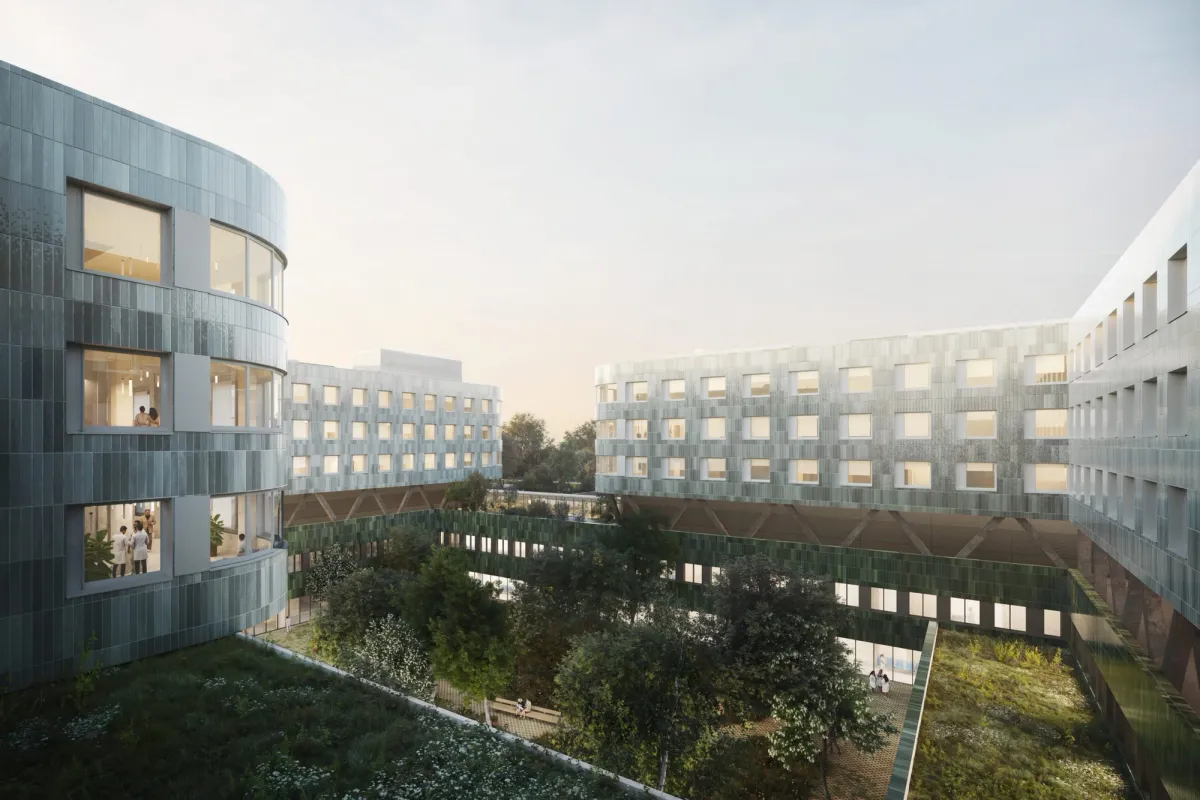
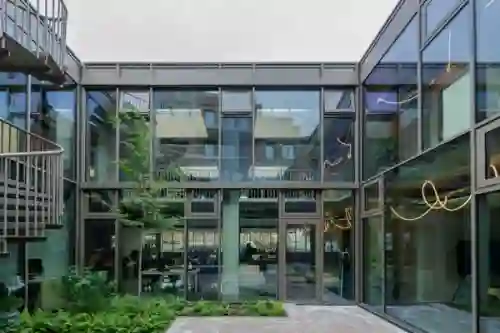
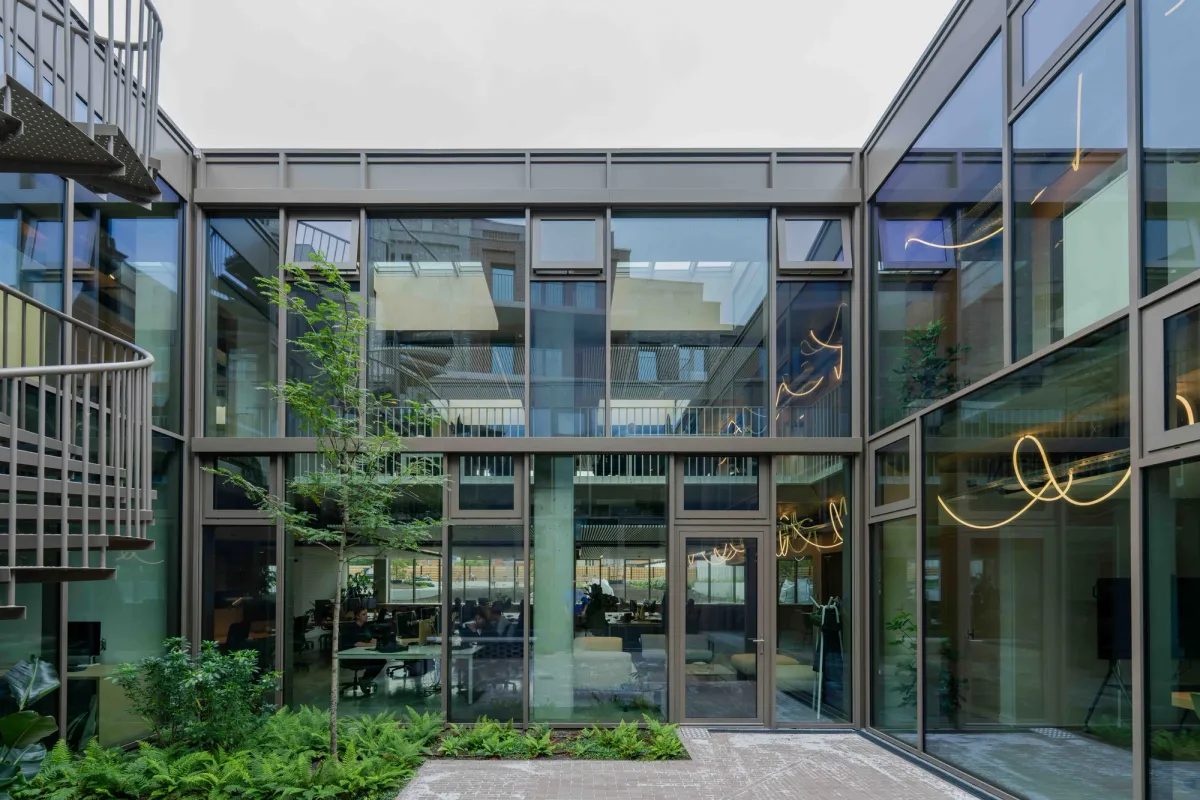
The design of the Archipelago office in Leuven shows how natural ventilative cooling, tested against climate data, can reduce the need for mechanical cooling.
 Joost Declercq
 Delphine Ramon Fabrice Derny Karen Allacker
- Office
- Sufficiency
- Climate-responsive design
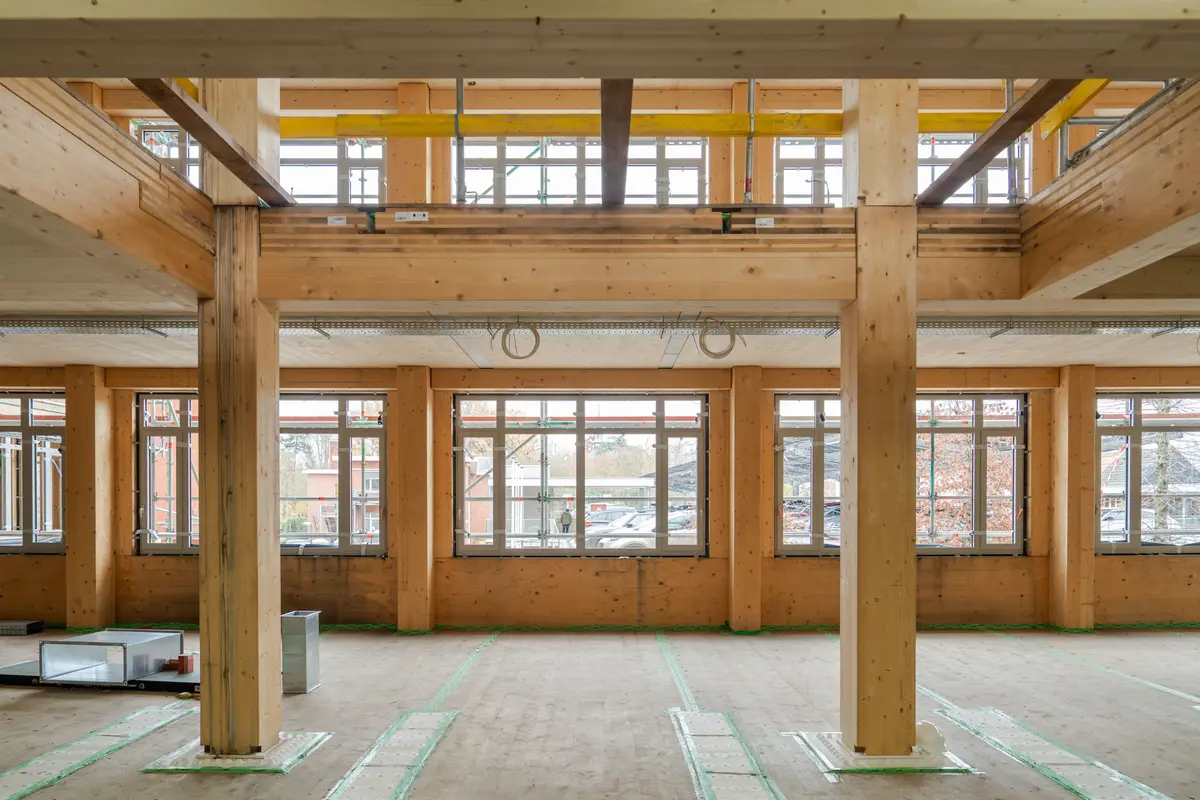
Designing the Archipelago office in Leuven offers an opportunity to test whether natural ventilative cooling can gradually replace or reduce mechanical systems. This study applies quantitative assessment tools along a real design trajectory, integrating high‑resolution current and future climate data at each step. By accounting for both the urban heat island effect and climate change, it evaluates the practical feasibility and performance limits of natural ventilative cooling in a dense Flemish urban context.
Related projects & research
- Residential
- Mixed-use
- Masterplan
- Residential