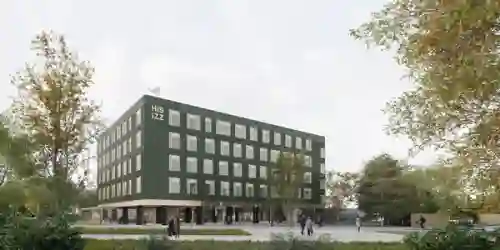
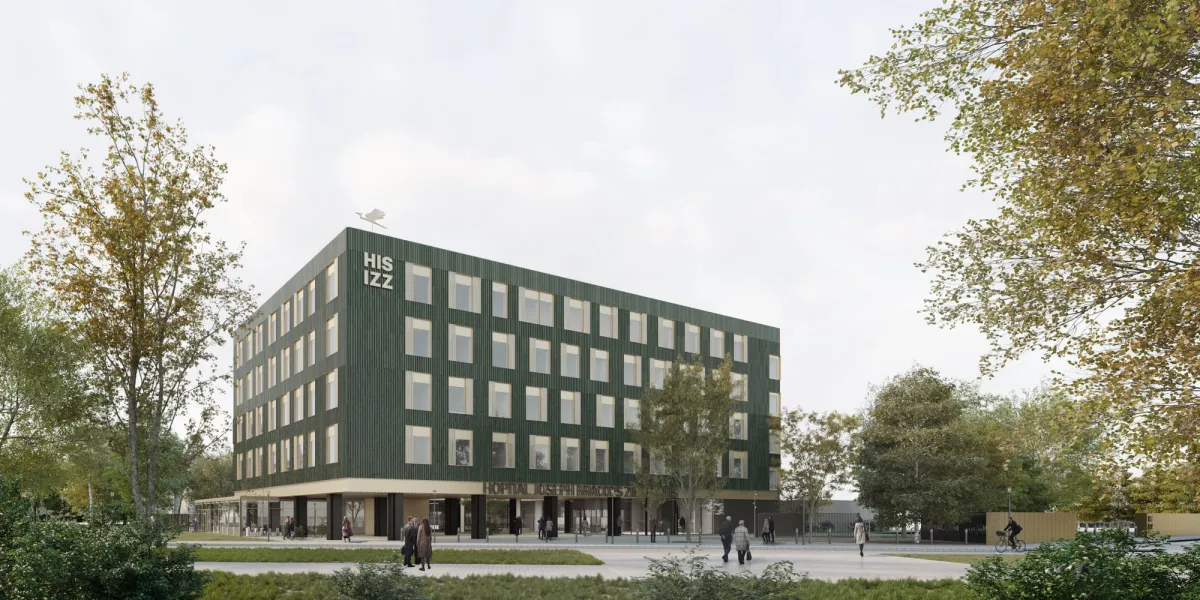
An urban hospital based on the principles of circular economy: the case of Joseph Bracops hospital.
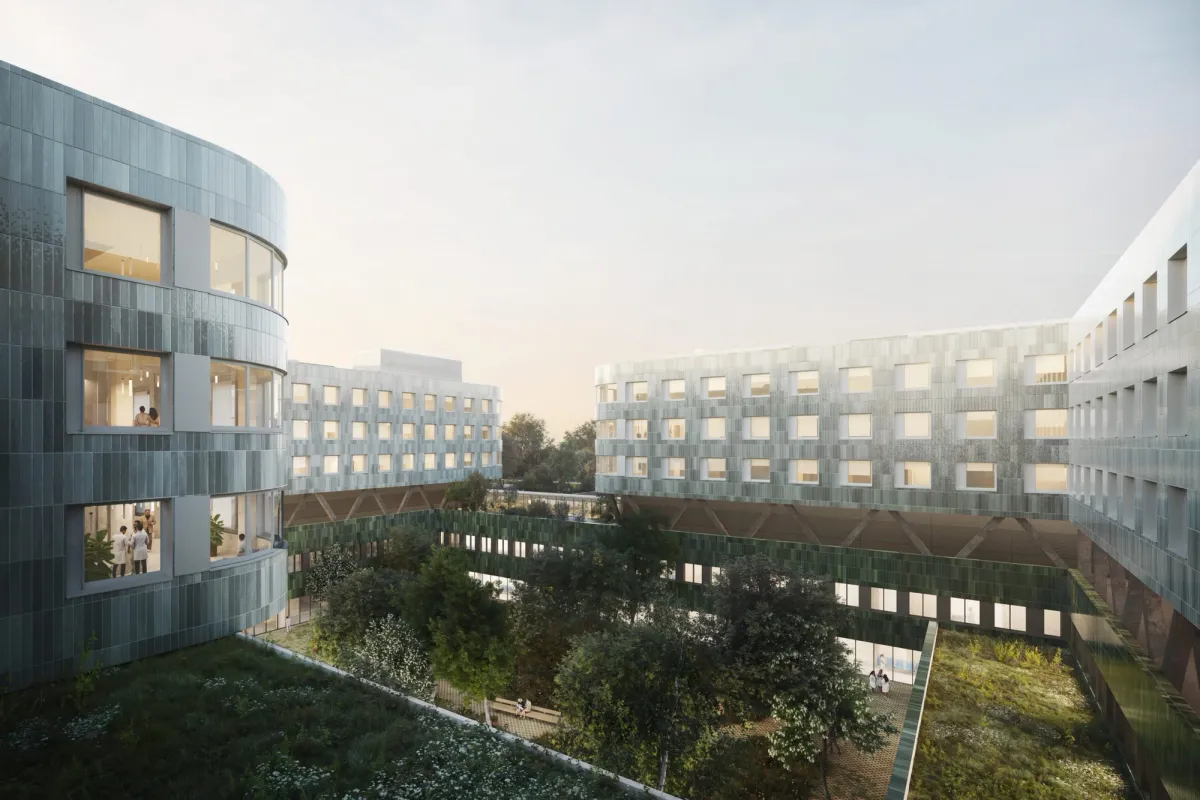
The Joseph Bracops Hospital shows how circular design at city, site and building level reduces environmental impact and supports urban healthcare.
 Giulia Scialpi
 Joost Declercq
 Laurent Grisay Daniela Perrotti
 - Hospital
- Sufficiency
- Material flows
- Status
Completed
- Partners
UCLouvain
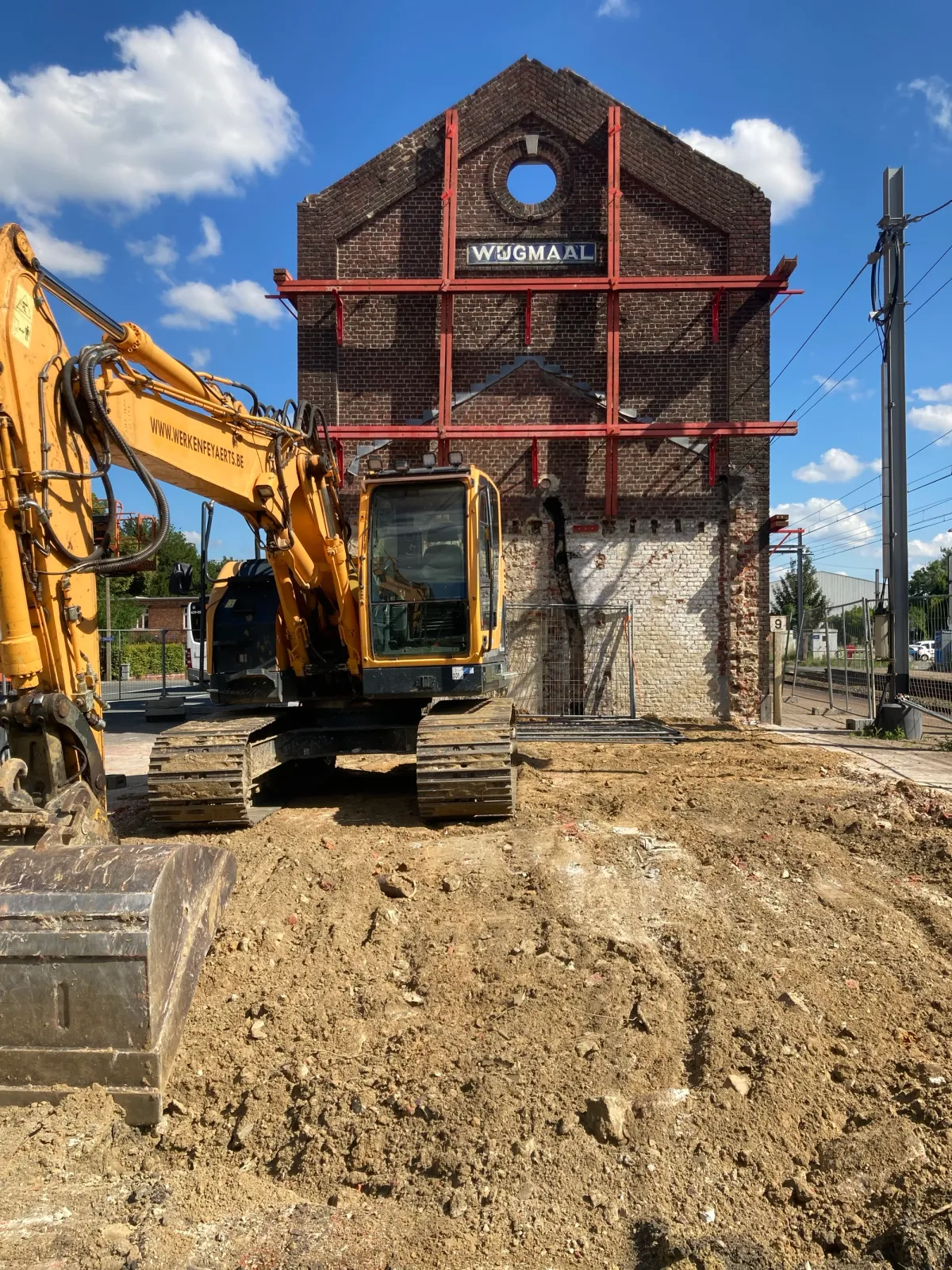
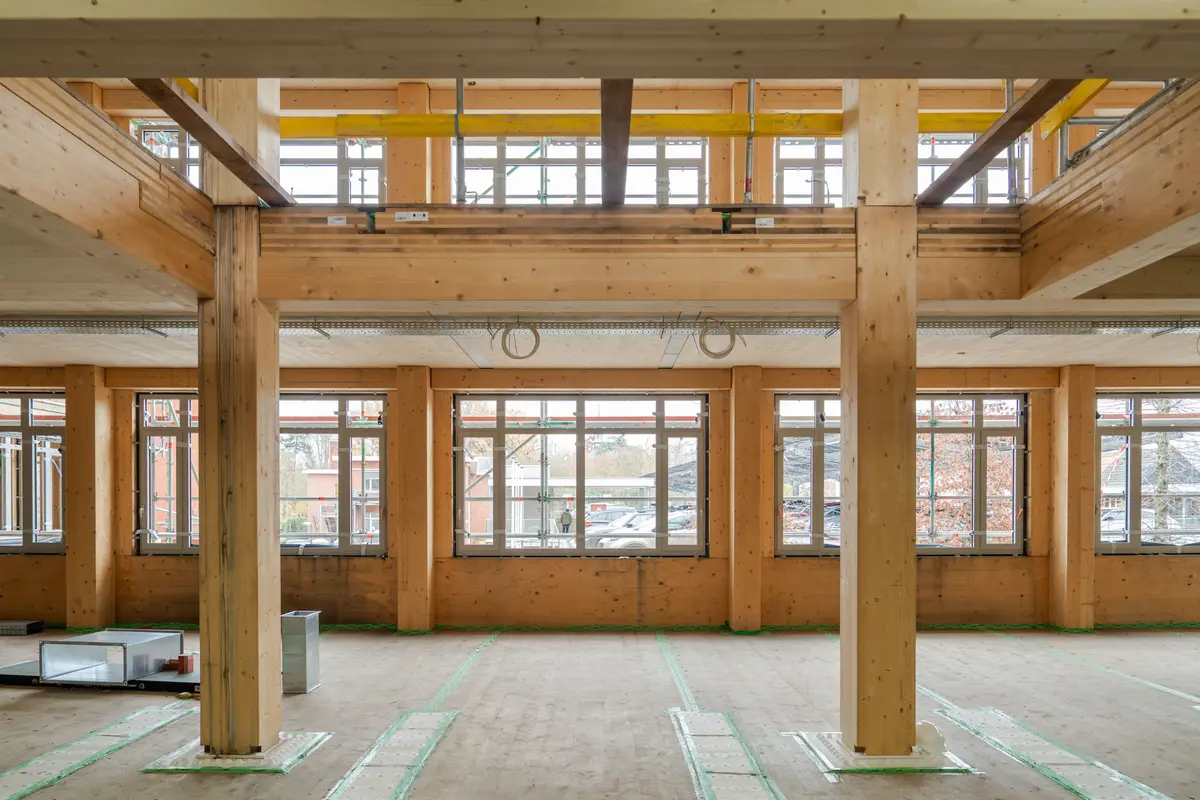
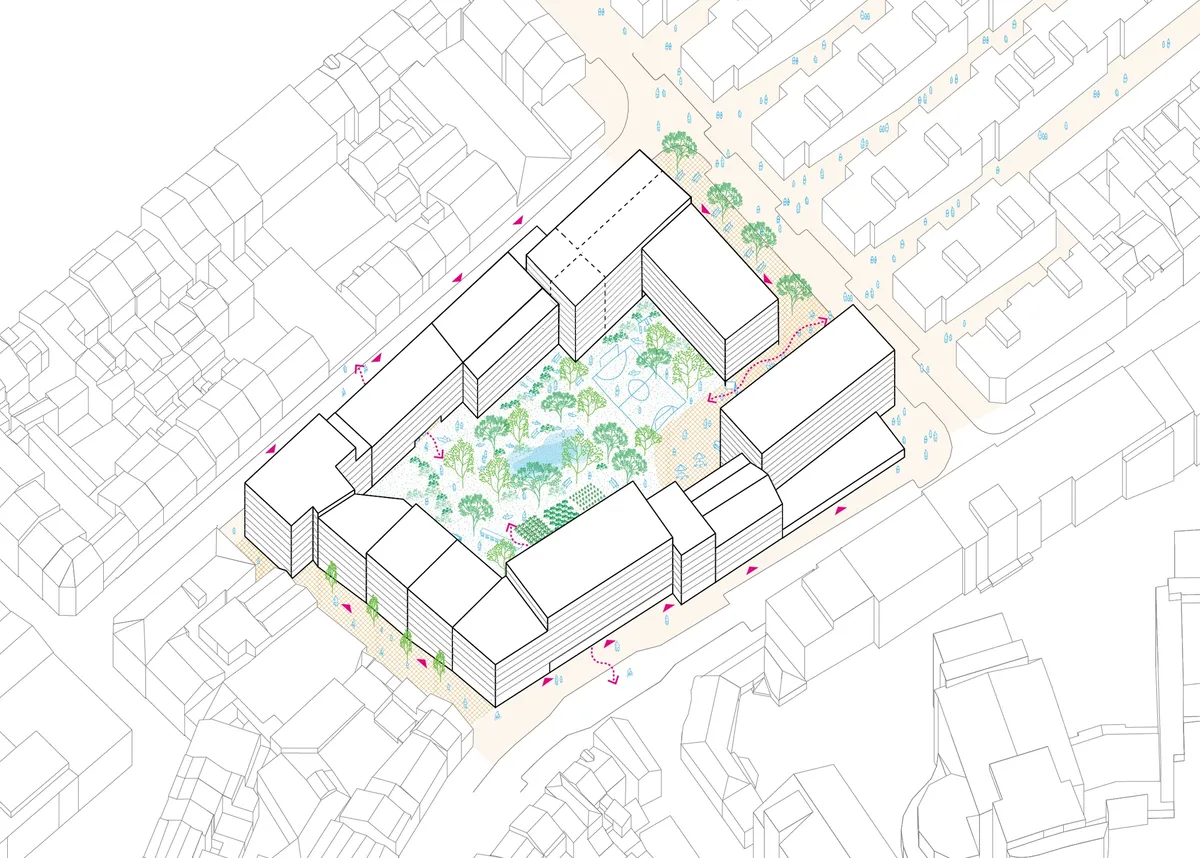
Building circular hospitals for today and tomorrow. Designing an urban hospital through circular economy principles can cut environmental impact across the entire life cycle, well beyond operational energy. The Joseph Bracops Hospital in Brussels demonstrates how a public healthcare project can embed circular thinking at city, site, building and element scale, optimising material and energy flows over different timespans. This case offers concrete guidance for future resilient urban hospitals that integrate social and technical dimensions of circularity and can adapt over time. Want to know more?
Related projects & research
- Residential
- Mixed-use
- Masterplan
- Residential