Enough is more - sufficiency as a design strategy
Sufficiency puts users, daylight and natural ventilation at the centre to optimise energy use, CO₂ and dynamic comfort in healthcare buildings.
 Joost Declercq
 Laurent Grisay
 Maarten Lambrechts
 Giulia Scialpi
 Peter-Willem Vermeersch
- Care
- Hospital
- Sufficiency
- Climate-responsive design
- Façade engineering
- Partners
KU Leuven
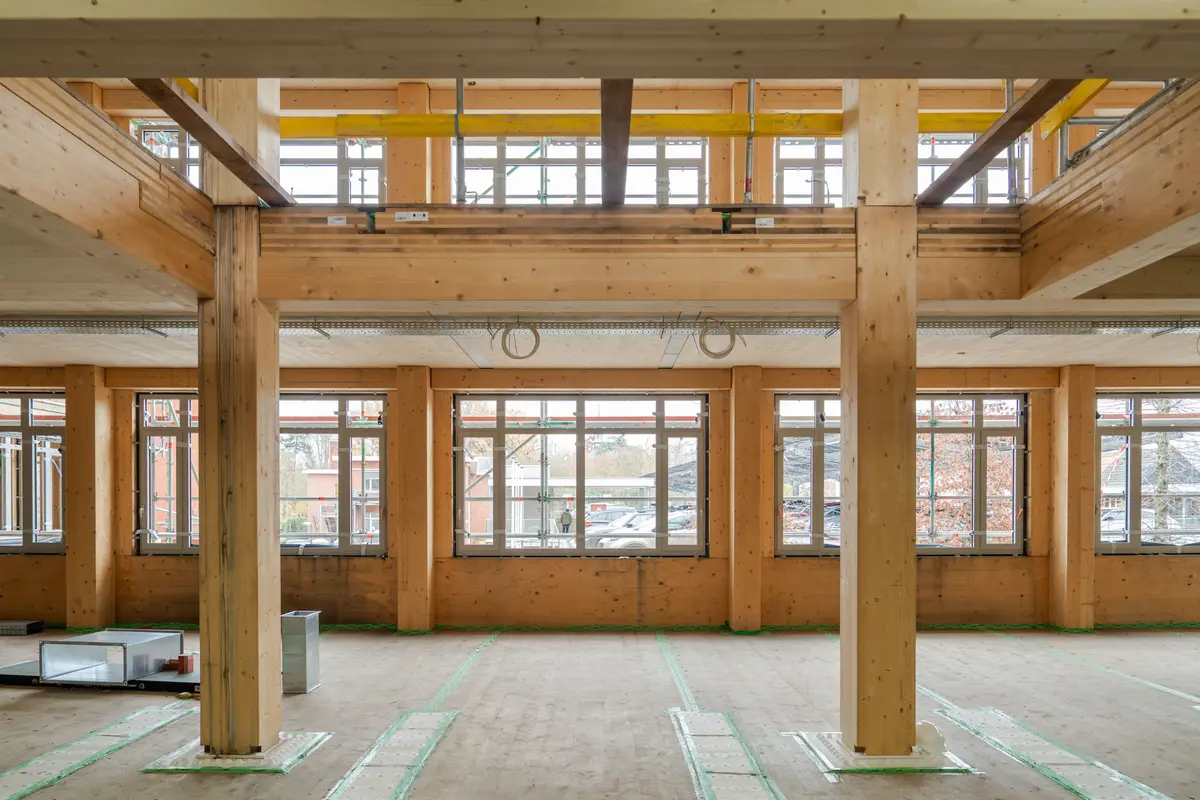
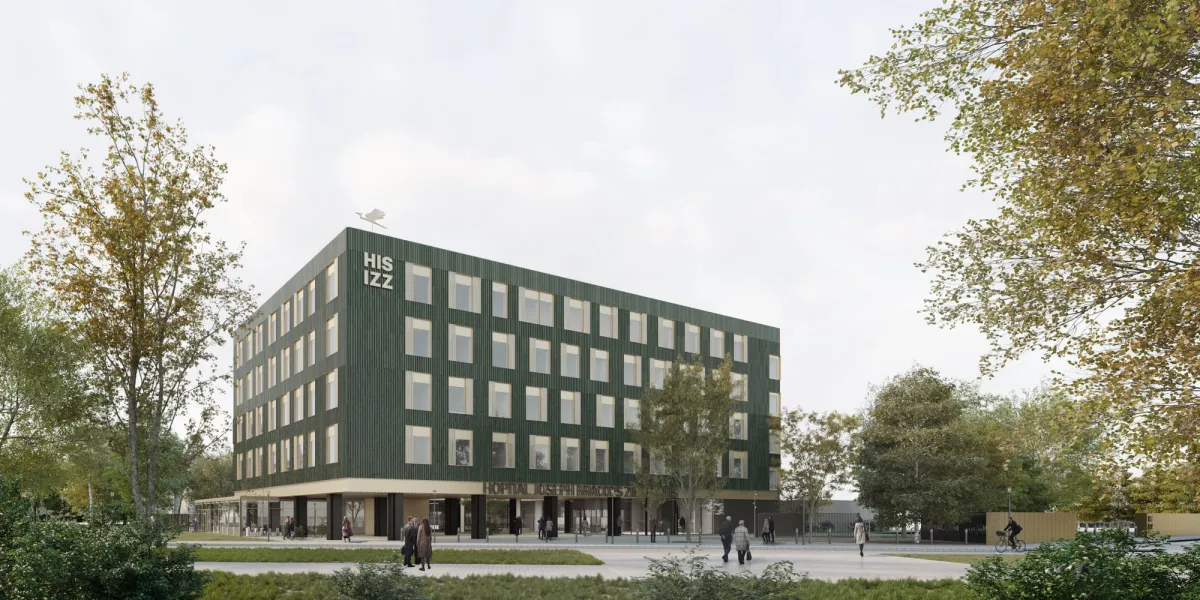
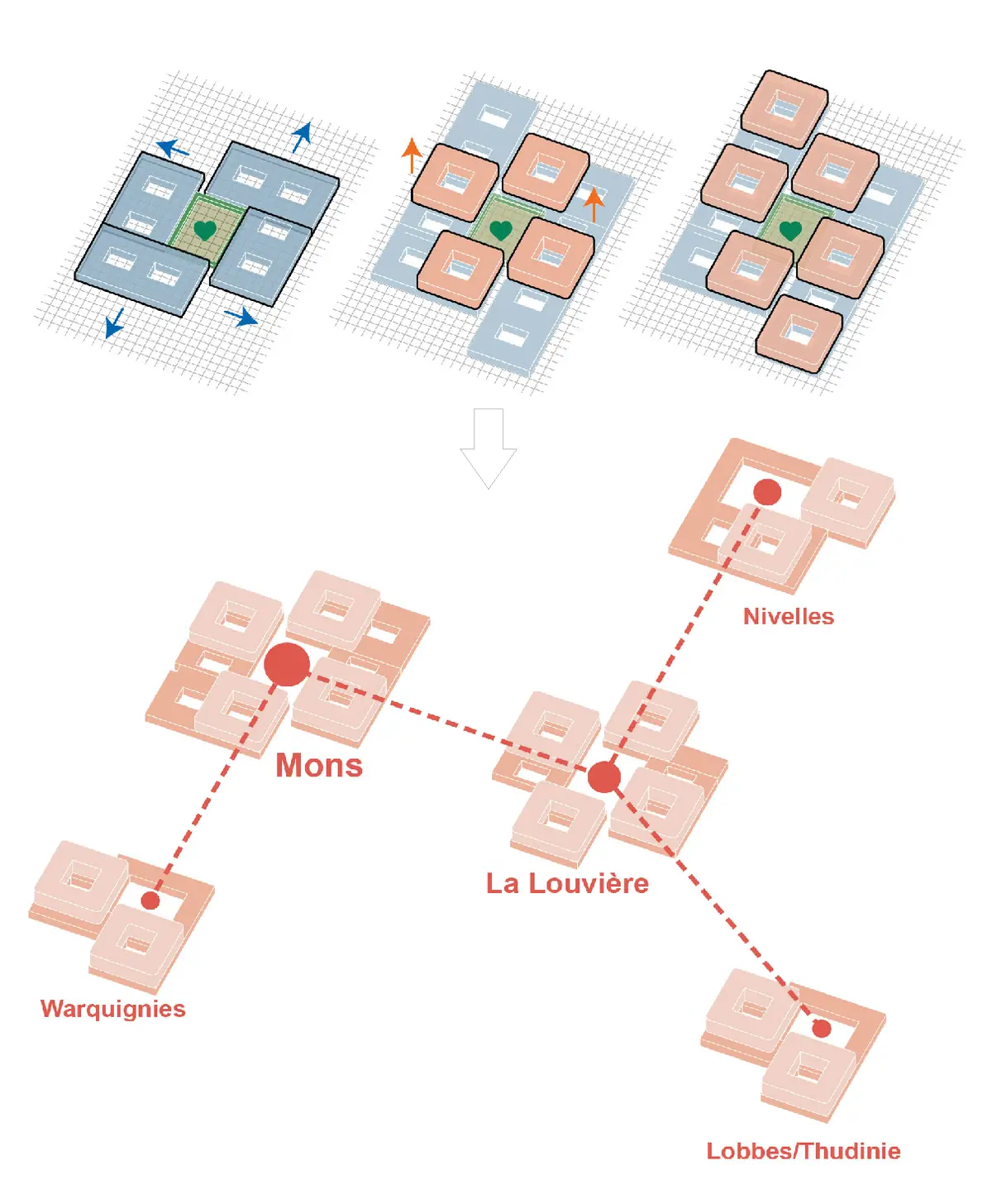
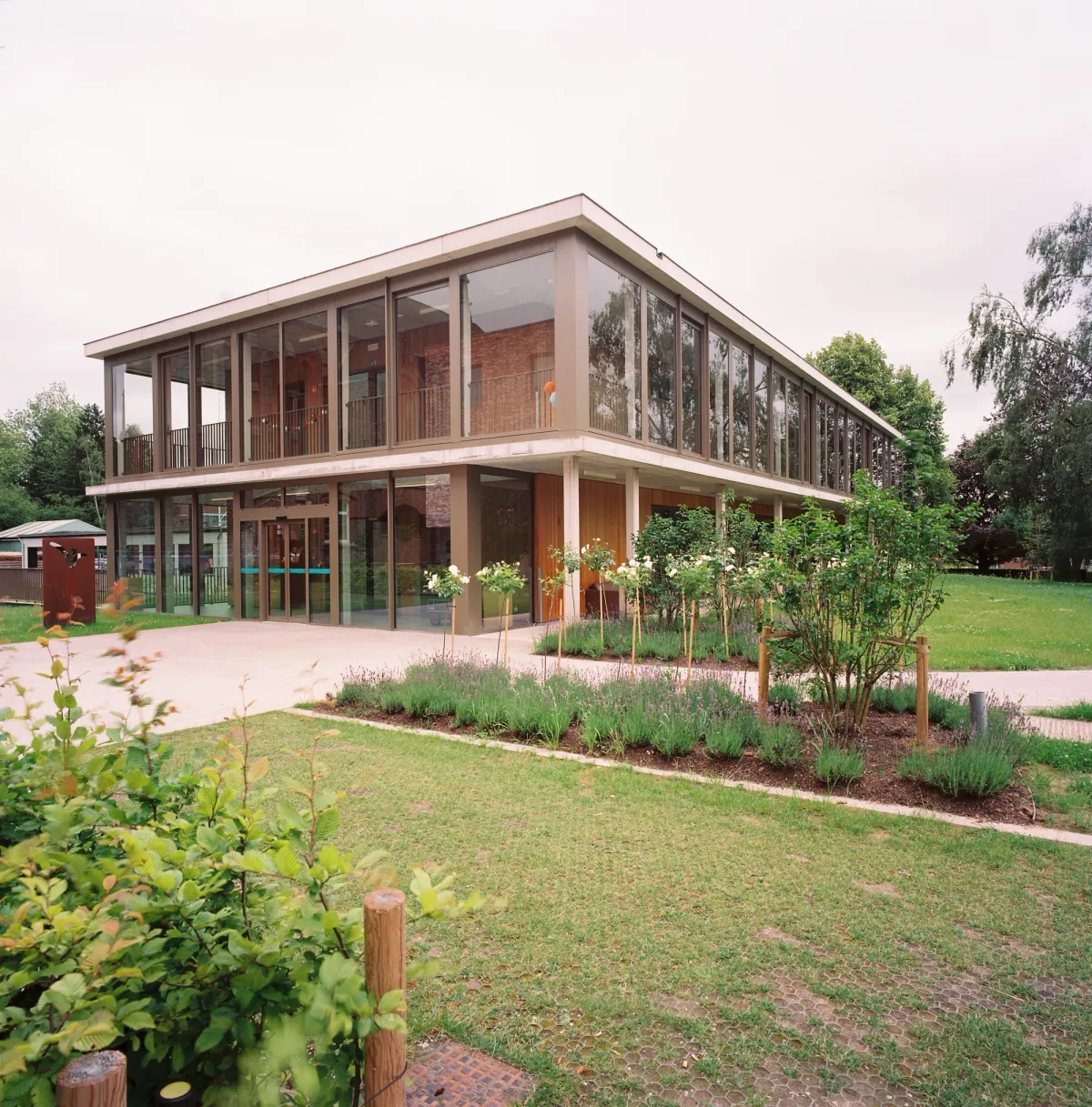
Architects increasingly use sufficiency as a design strategy to cut both operational and embodied carbon while supporting health and wellbeing. Rather than starting from technical systems, designers first investigate user needs and activities, integrating adaptive comfort models and Self-Determination Theory. Recent hospital and care projects show how exposing buildings to outdoor climate through daylight, natural ventilation and “breathing” façades creates dynamic comfort conditions that reduce energy demand and can strengthen users’ physiological resilience. The paper features the following archipelago projects: Helora, Booghuys, CHwapi, De Kerselaar and Dalal-Jamm. Read the full article here.
Related projects & research
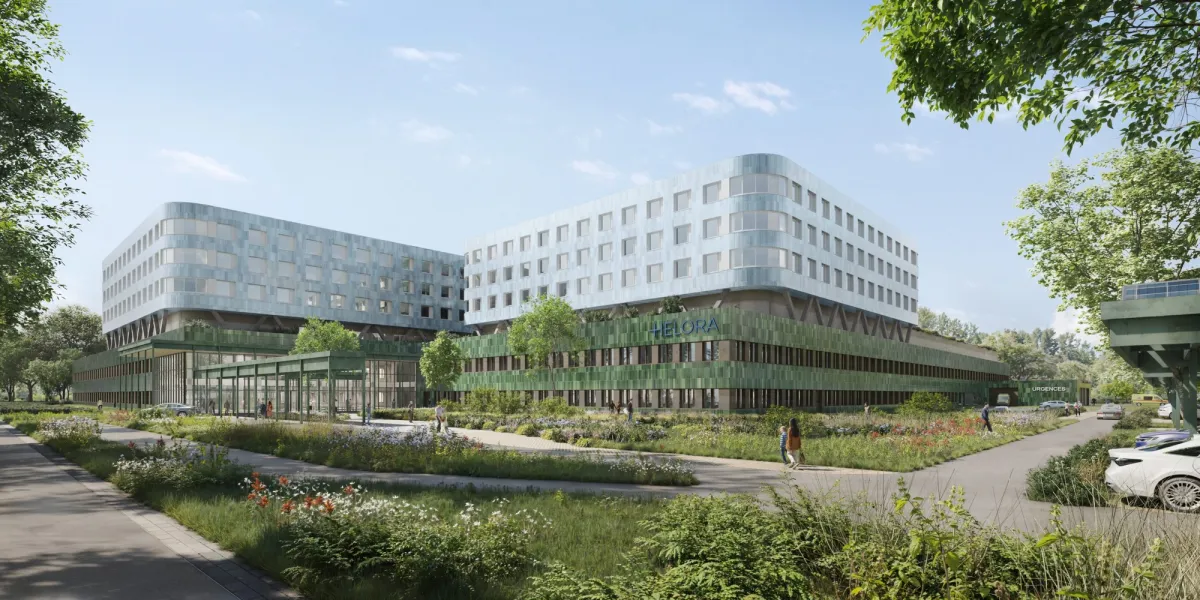
- Hospital
Helora
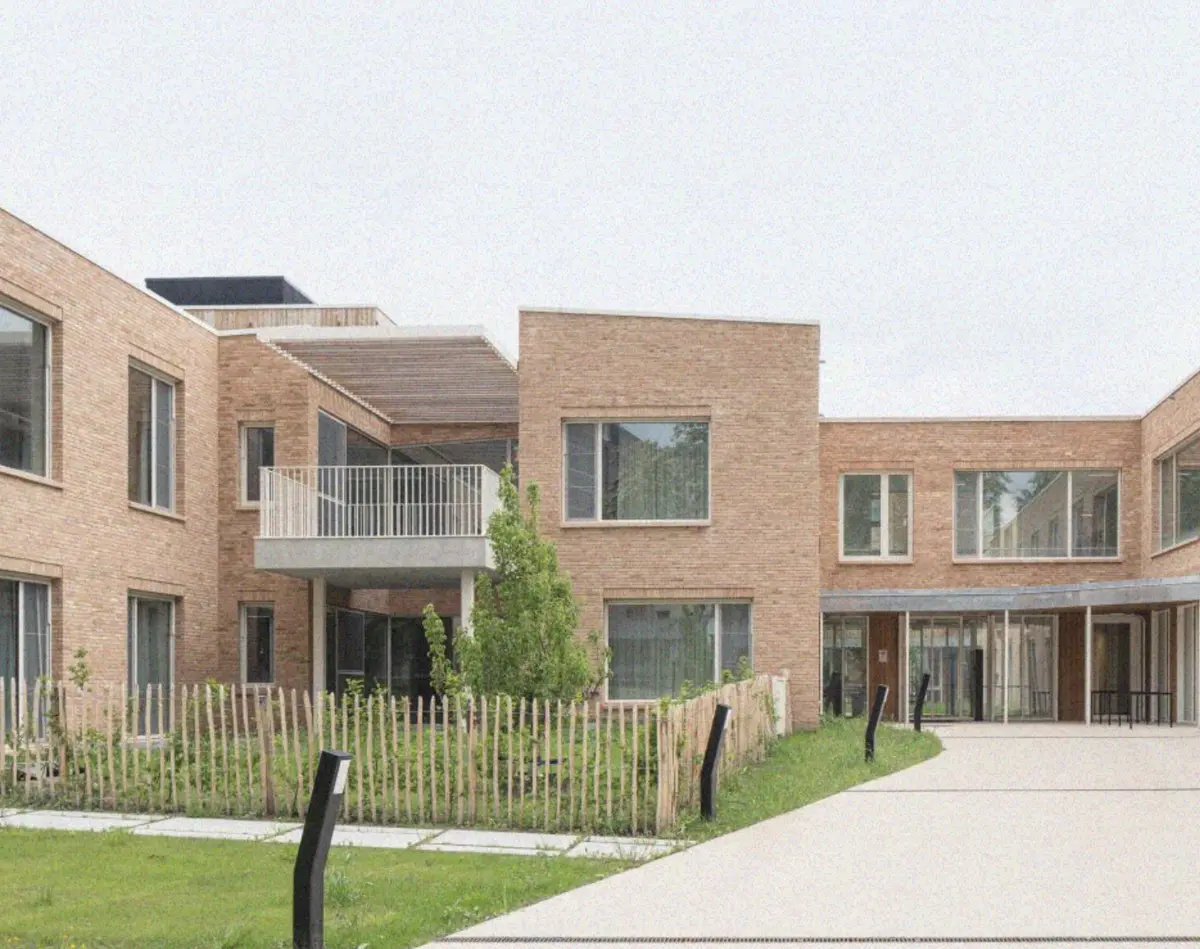
- Care
Care Home Booghuys
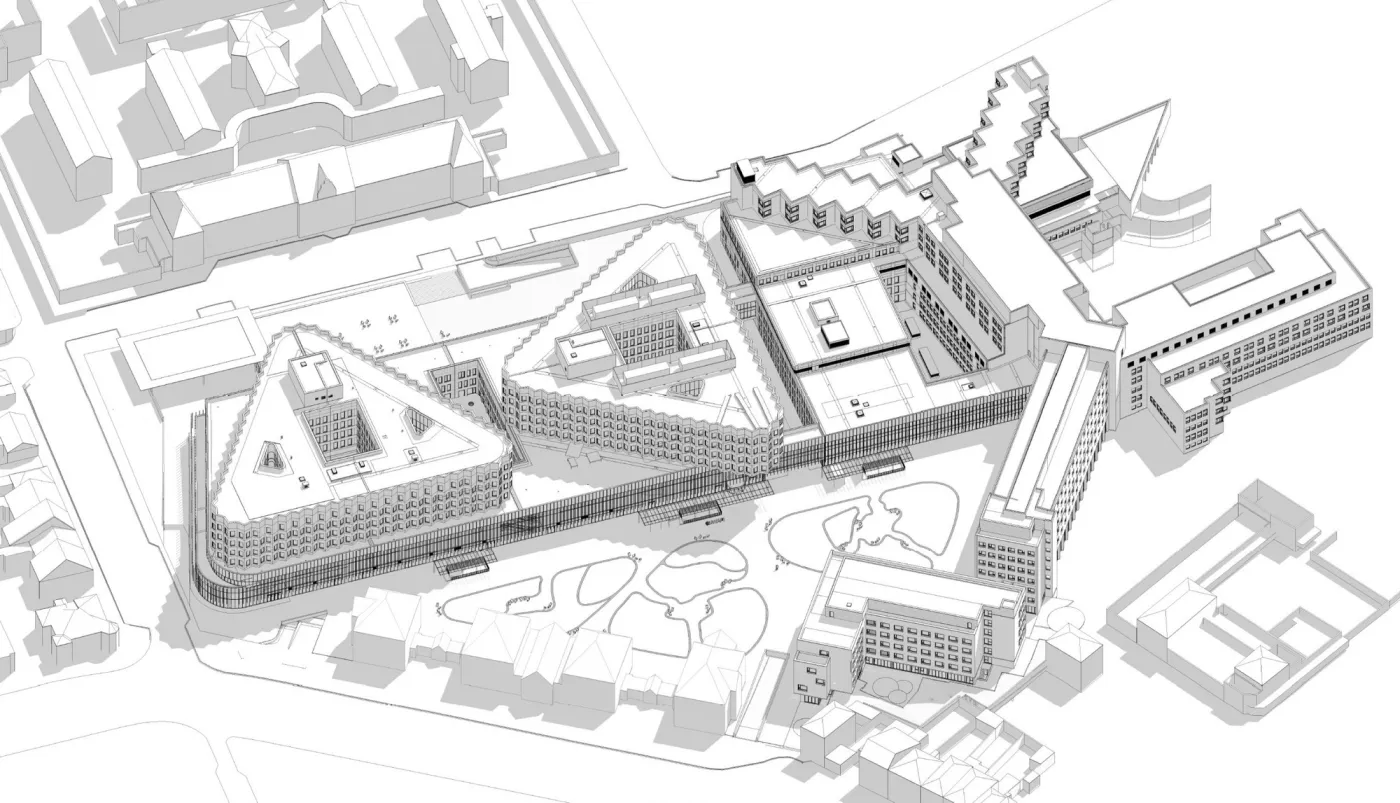
- Hospital
- Care
De Kerselaar
- Residential
- Mixed-use
- Masterplan
- Residential