2024
How to design a resilient building? Lessons learnt from an architectural view
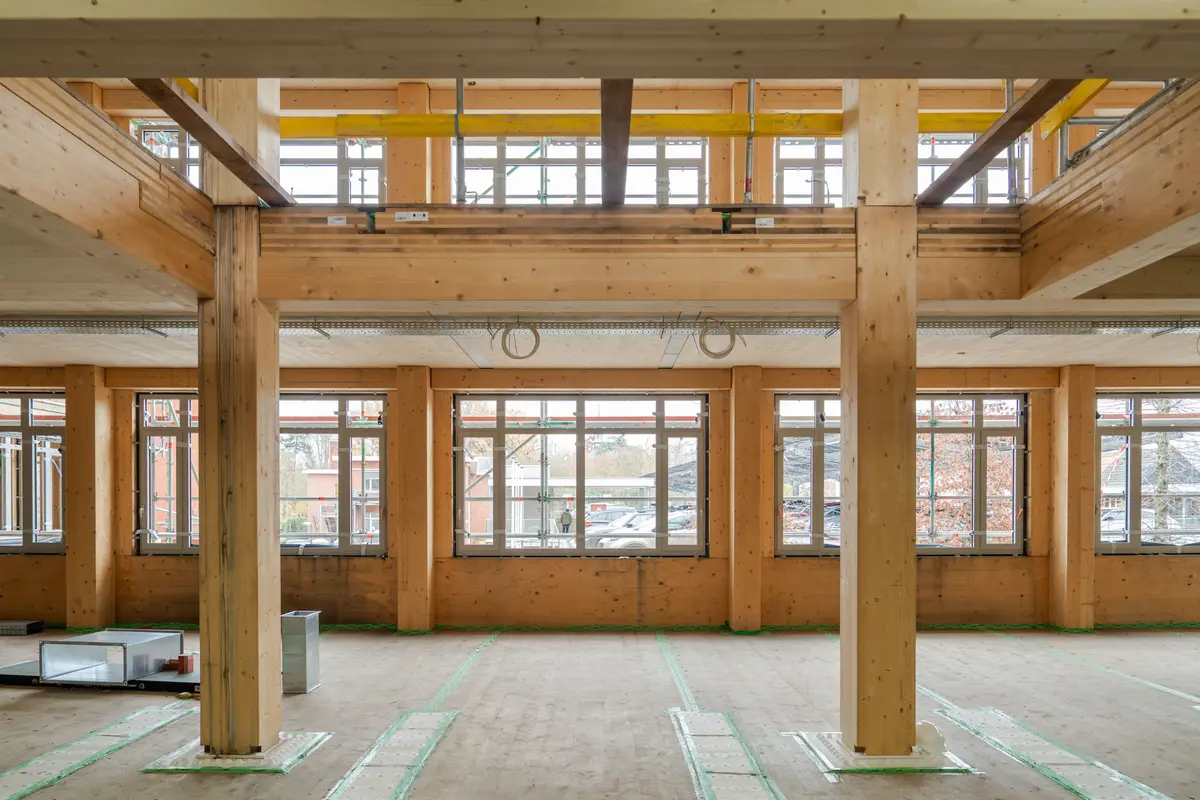
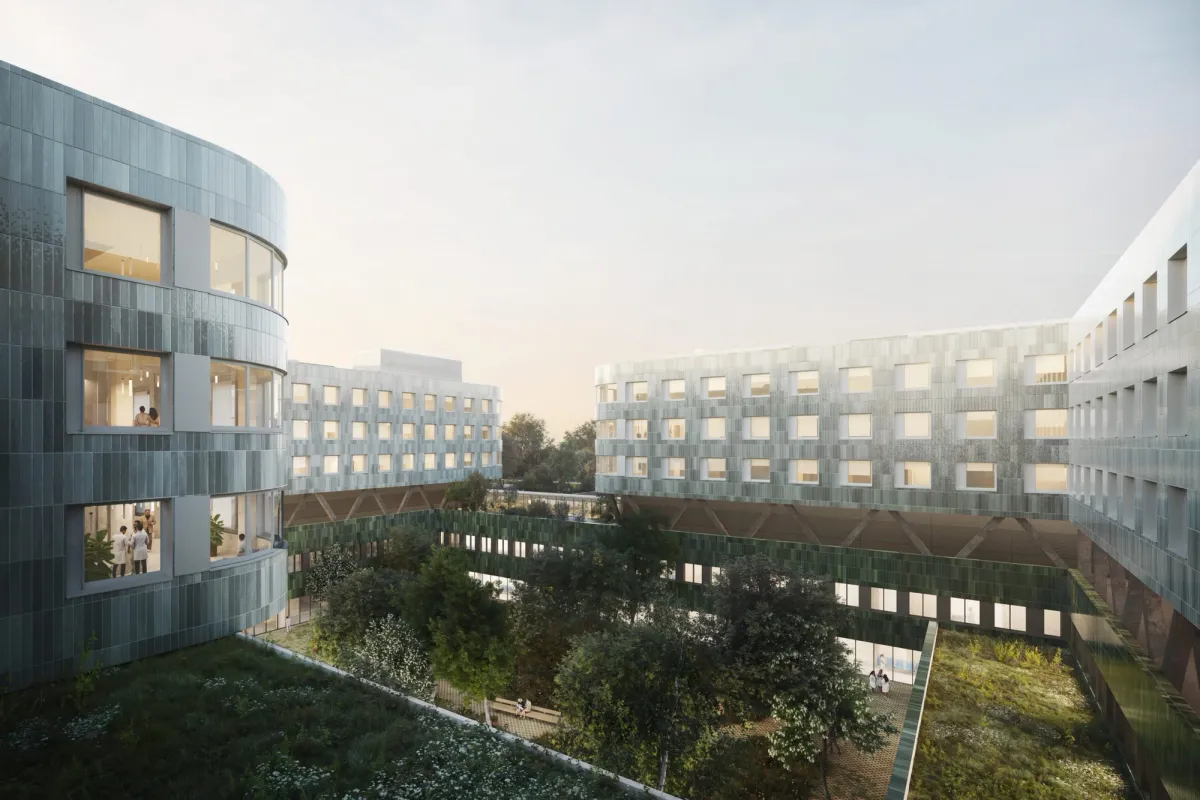
The Archipelago office in Leuven shows how mass, glazing, solar shading and natural ventilation make buildings more resilient to future heatwaves.
 Joost Declercq
 Martijn Holvoet
- Office
- Expo
- Sufficiency
- Climate-responsive design
- Status
Completed
Climate-resilient buildings stay cooler, now and in the future. Heatwaves and more extreme weather conditions will no longer be an exception. Within the Recover++ research on Resilient Cooling, we are investigating how we can better understand and measure the impact of certain design choices on the resilience of buildings to overheating, using two case studies. Want to know more? Read the paper “How to design a resilient building? Lessons learnt from an architectural review”.
Related projects & research

- Residential
- Mixed-use
- Masterplan
- Residential